
Valencia’s spring gastronomic guide for foodies: where to eat and what to do
- May 20
- 4 min read
Valencia is a city best explored slowly—and in spring, it reveals its most balanced and elegant side. The light becomes softer, terraces open up across the city, and the Mediterranean begins to shape each day with a calm, refined rhythm.
This is the season when everything feels effortless. Mornings stretch gently into long lunches, afternoons invite you to wander through markets and quiet streets, and evenings unfold over beautifully set tables. In this guide, the idea is simple: to experience Valencia through its flavours, one moment at a time.
A city that moves to a culinary rhythm
In Valencia, food is not just about places—it is about timing.
Spring is the perfect moment to align with the local rhythm. Days are structured naturally around food, and each part of the day offers a different experience:
Mornings begin with coffee, natural light, and something simple
Midday is reserved for rice, the most important meal of the day
Afternoons slow down, with markets, ice cream, or a quiet horchata
Evenings are for terraces, wine, and long, unhurried dinners
Rather than planning every reservation, the key is to leave space for spontaneity—to follow a scent, a busy terrace, or a local recommendation.
Morning: light, coffee, and quiet beginnings
Spring mornings in Valencia are defined by light. It filters through balconies, reflects on tiled floors, and fills cafés with a soft, inviting atmosphere.
This is the time to keep things simple. A coffee, good bread with tomato and olive oil, perhaps something sweet. In neighbourhoods like Ruzafa or the historic centre, mornings can be slow and intentional—watching the city wake up, without rushing.
For those who prefer something more local, the traditional esmorzar offers a more generous start to the day, with sandwiches, coffee, and a pace that encourages lingering a little longer than expected.




Midday: the ritual of rice
Lunch in Valencia is not just a meal—it is a ritual.
Spring is one of the best times to experience rice at its finest. Seasonal ingredients are at their peak, and kitchens approach each dish with care and precision. Whether by the sea or in the city, rice dishes are meant to be shared, enjoyed slowly, and appreciated for their depth of flavour.
A few local insights make all the difference:
Rice is always a midday experience
Reservations are essential, especially on weekends
Time is part of the process—nothing is rushed
This is where Valencia’s culinary identity becomes most visible: simple ingredients, treated with respect, and elevated through technique.
By the sea: Restaurante Tridente – Hotel Neptuno
Few experiences capture the essence of spring in Valencia quite like dining by the sea.
Restaurante Tridente, located within Hotel Neptuno, offers exactly that: a setting where the Mediterranean becomes part of the table. With uninterrupted views of the beach and a calm, refined atmosphere, it is particularly compelling during this season, when the city has not yet reached peak summer intensity.
The menu focuses on Mediterranean cuisine with a strong emphasis on seafood and rice dishes, executed with precision and balance. A long lunch here can easily become one of the defining moments of a trip—unhurried, sunlit, and accompanied by the subtle rhythm of the waves.





Ensanche: where product-driven cuisine meets elegance
Beyond the more bohemian energy of Ruzafa, the Ensanche offers a more refined and understated culinary scene. Wide avenues, elegant buildings, and a slower pace define this part of the city, where gastronomy is often centred around quality ingredients and thoughtful execution.
Here, dining becomes more intimate, more deliberate.
Restaurants such as 2 Estaciones stand out for their seasonal approach and contemporary interpretation of local produce, while Canalla Bistro brings a more playful, cosmopolitan energy with a menu designed for sharing and discovery.
For something more discreet, Chez Wladimir offers a quieter, more classic experience, where attention to detail and product take precedence. Meanwhile, Doña Petrona introduces a subtle international touch, blending flavours with personality in a carefully curated space.
This area is ideal for those evenings when you are looking for something polished yet relaxed—where the focus is entirely on the plate, the wine, and the conversation.
Afternoon: markets, sweetness, and slow walks
After lunch, the city softens.
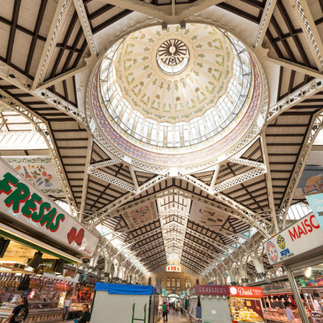
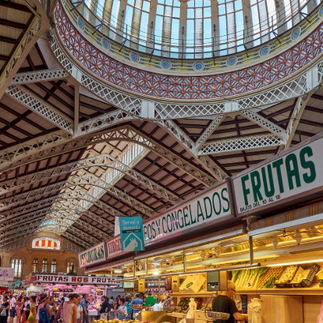
Spring afternoons are ideal for wandering without a fixed plan. Markets such as the
Central Market or Ruzafa Market offer a vibrant yet relaxed atmosphere—fresh produce, local delicacies, and the quiet hum of everyday life.
This is also the perfect moment to pause for something sweet. An artisan ice cream, a coffee in a shaded square, or a traditional horchata enjoyed slowly on a terrace.
The goal is not to fill time, but to experience it.




Evening: terraces, wine, and atmosphere
As the light fades, Valencia shifts once again.
Terraces begin to fill, soft lighting transforms the streets, and the city settles into a more intimate, elegant pace. Neighbourhoods like Ruzafa, El Carmen, and the
Ensanche offer different interpretations of the same idea: good food, good wine, and a setting that invites you to stay a little longer.
Evenings can take many forms:
Moving between small plates and wine in different spots
Choosing a tasting menu in a contemporary restaurant
Or simply finding a beautiful terrace and letting the night unfold naturally
In spring, temperatures remain mild, making it easy to extend the evening without urgency.
A way of experiencing Valencia
To explore Valencia through its gastronomy in spring is to understand the city beyond its landmarks.
It is about rhythm, light, and detail. About knowing when to sit down, when to walk, and when to simply observe. It is about long lunches, open kitchens, and evenings that feel unplanned yet perfectly balanced.
And often, it is in the simplest moments—a table by the sea, a perfectly cooked rice dish, a quiet glass of wine—where Valencia reveals its most memorable side.

Comments